
In a world filled with larger-than-life superheroes and cinematic universes built on fantasy, Heroes Among Us: Kid Electric offers something different — a grounded, emotionally driven coming-of-age story born right out of St. Louis.
Independently created by filmmaker Anthony Jones, Kid Electric is more than a superhero short film. It’s a deeply personal reflection on survival, resilience, identity, and the quiet power of being seen.
At the center of the story is Warren Ryder, also known as Kid Electric — a homeless teenager navigating responsibility, identity, and newfound power while trying to stay connected to the people around him. But unlike many superhero stories built around destiny or inherited greatness, Warren’s journey is rooted in something far more human: belief.
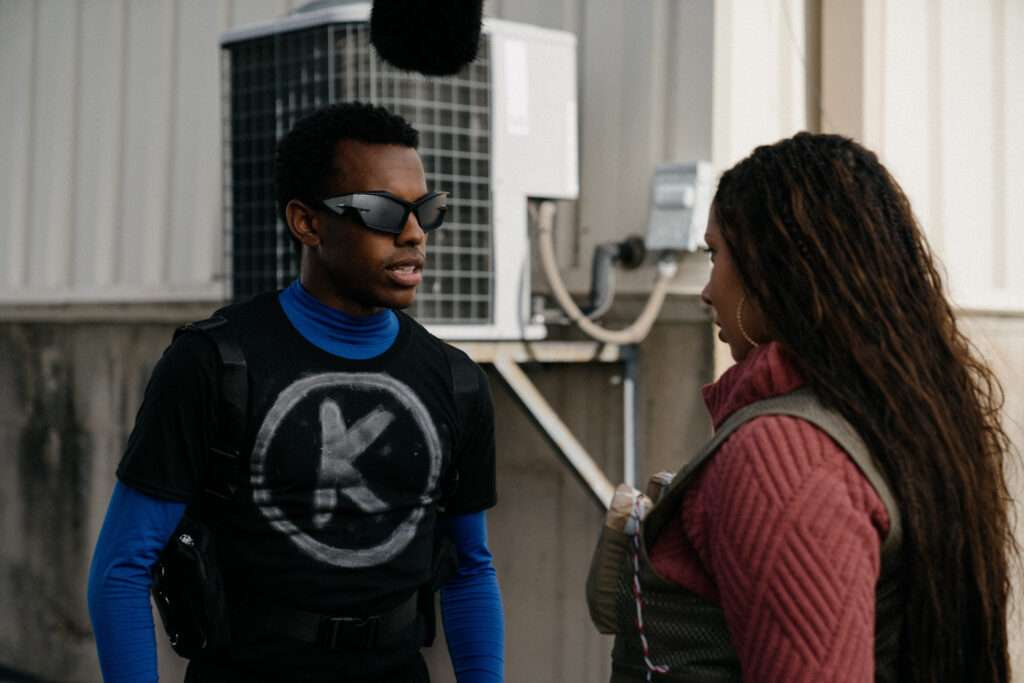
A Hero Built From Real-Life Struggle
For Jones, Kid Electric was inspired by his own lived experiences.
Growing up homeless for nearly a decade during his teenage years, storytelling became a lifeline — a way to remain grounded amid uncertainty. That personal history became the heartbeat behind the film.
Rather than creating another “chosen one” archetype, Jones wanted to build a hero who had to create himself from scratch.
Warren Ryder isn’t powerful because fate selected him. He becomes extraordinary because someone saw value in him as a person.
That message drives the emotional core of Kid Electric.
This is a story for young people who have felt overlooked, invisible, or forgotten by the systems designed to protect them. Beneath the sparks, action, and superhero imagery is a deeper narrative about loneliness, connection, and the courage it takes to choose hope even when life feels stacked against you.
A Grounded Superhero Universe With Heart
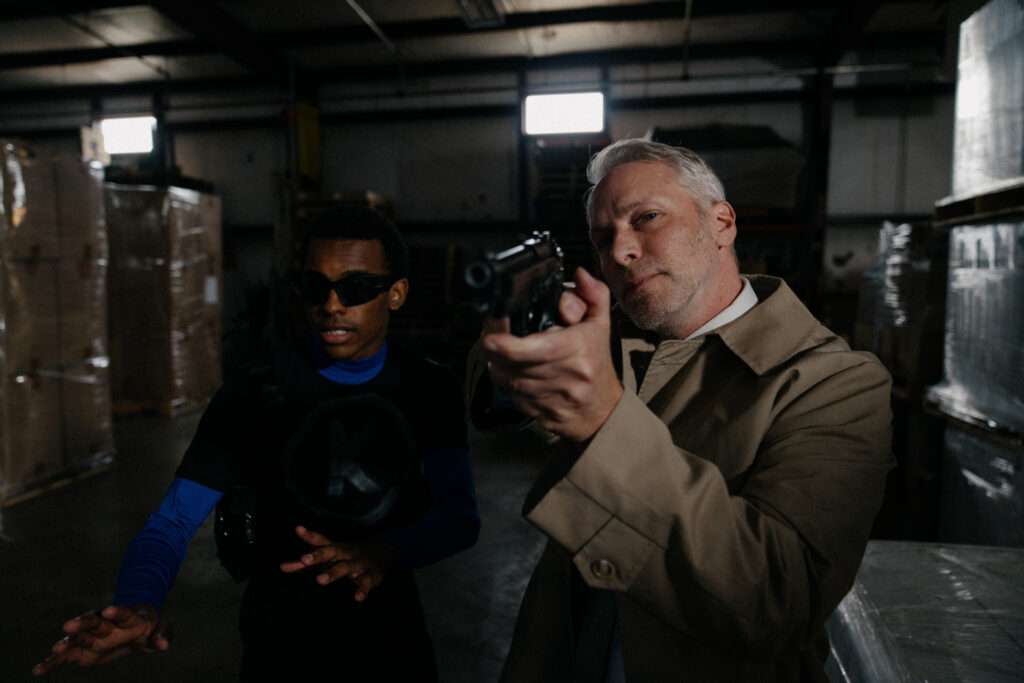
What makes Kid Electric stand out is its intentional tone.
Jones describes the film as energetic, grounded, messy, and honest — almost like watching a young person write their own coming-of-age story in real time.
Instead of leaning solely on spectacle, the film prioritizes emotional storytelling, culture, and character development.
That grounded approach helps Kid Electric feel relatable while still planting seeds for something much bigger: an original superhero universe built from independent Black storytelling and rooted in real-life human experiences.
It’s a reminder that heroes don’t always come from fantasy worlds. Sometimes they emerge from the neighborhoods, streets, and overlooked spaces we pass every day.
Representation Matters in Independent Film
At its core, Kid Electric is also about representation.
Jones sees the short film as both a reflection of his own journey and a statement about the kinds of stories that deserve a place in cinema.
Too often, superhero narratives center around polished perfection, privilege, or extraordinary origins. Kid Electric challenges that idea by presenting a hero shaped by hardship, vulnerability, and resilience.
If one young person watches Warren Ryder’s story and sees possibility in themselves, then the mission behind the film has already succeeded.
Festival Recognition for Kid Electric
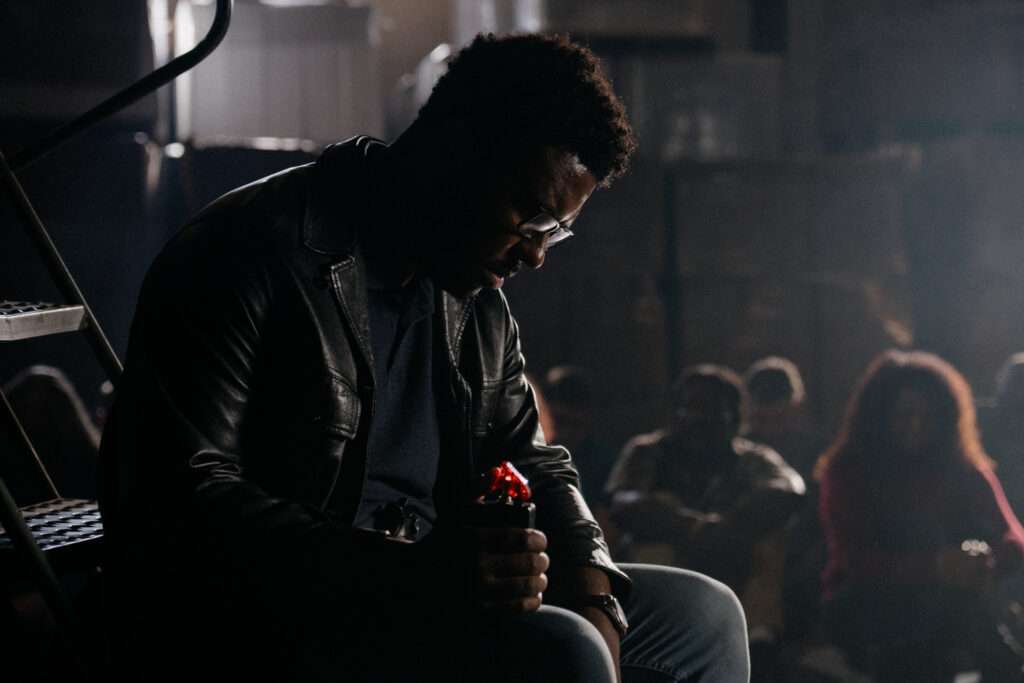
The independent short has already begun gaining momentum on the festival circuit, earning recognition beyond St. Louis, including:
- Official Selection – Roxbury International Film Festival
- Official Selection – Charlotte Black Film Festival
- Winner – Best Indie Short Film, Singapore Film & Script Festival
These milestones signal growing attention for a project that blends superhero storytelling with emotional depth and cultural authenticity.
Final Thoughts
Heroes Among Us: Kid Electric is proof that powerful storytelling doesn’t always need a blockbuster budget — just heart, honesty, and vision.
For Anthony Jones, this film is more than entertainment. It’s a love letter to young people fighting to find hope, belonging, and identity in a world that can often make them feel unseen.
And if Kid Electric is any sign of what’s ahead, St. Louis may be witnessing the early rise of a bold new superhero universe — built right at home.

- St. Louis CITY SC Launches CITY Unified, Its First Special Olympics Team - Wednesday, July 8, 2026
- CWE Jazz & Blues Festival Returns August 15 with a Free Celebration of St. Louis Music and Culture - Tuesday, July 7, 2026
- Rick Ross, Ying Yang Twins, Twista and Murphy Lee Set to Take Over the Missouri State Fair Grandstand - Monday, July 6, 2026