

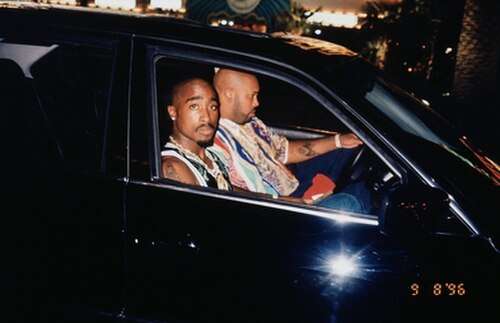
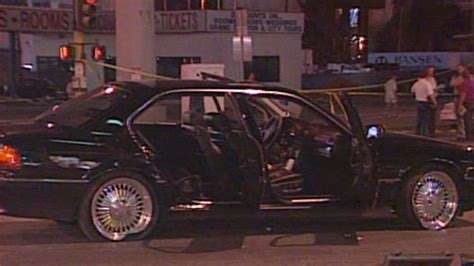
Tupac was shot on September 7, 1996, while riding in a BMW driven by Death Row Records co-founder Marion “Suge” Knight near the Las Vegas Strip. The 25-year-old rapper died six days later.
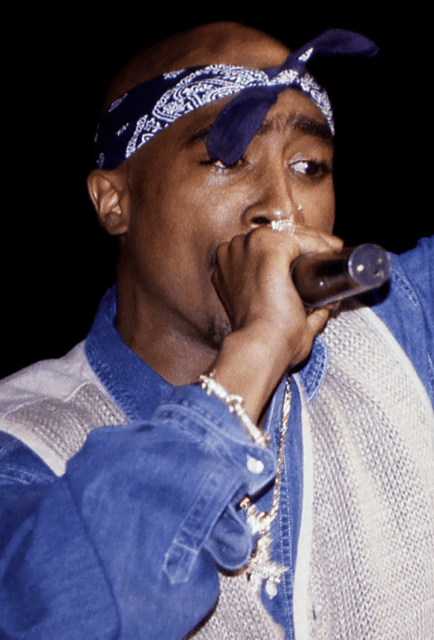
What followed was nearly three decades of speculation.
Books were written. Documentaries were produced. Interviews were dissected. Conspiracy theories became part of hip-hop folklore.
Eventually, the question “Who killed Tupac?” became almost as famous as the artist himself.
That is one of the tragedies surrounding his legacy.
Tupac was a rapper, actor, poet and cultural provocateur whose work explored poverty, racism, violence, love, masculinity and survival. Yet generations who weren’t alive during his career were introduced to him partly through the mystery surrounding his death.
A murder investigation threatened to overshadow the life being investigated.
Keefe D’s Own Words Became Part of the Story
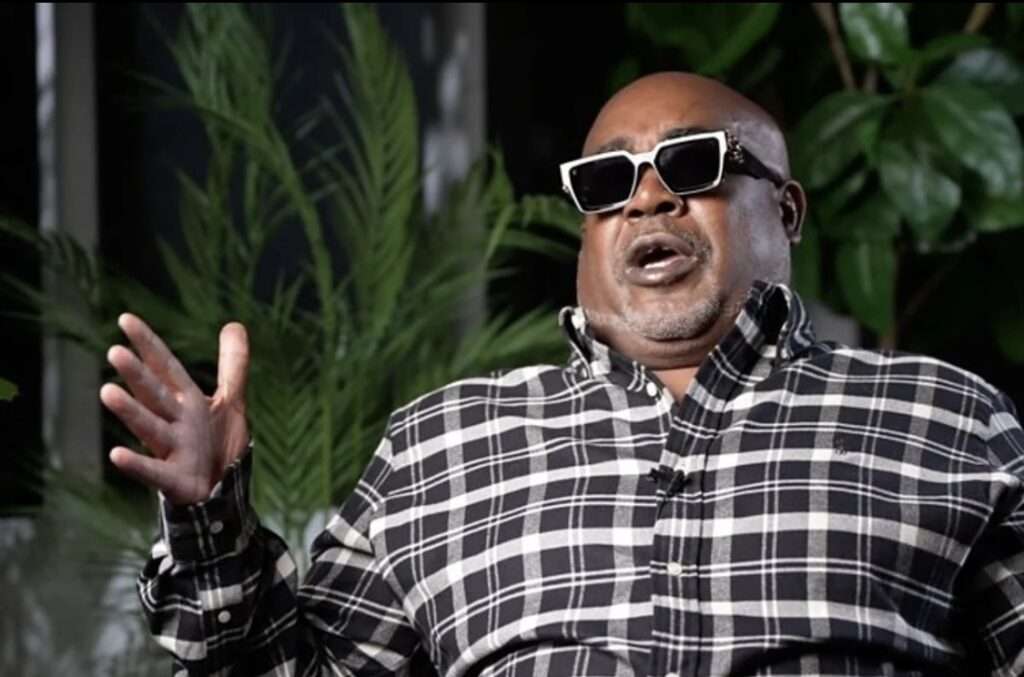
One of the most extraordinary aspects of the case is how Davis’ public discussions of Tupac’s killing became intertwined with the investigation.
Over the years, Davis discussed the events surrounding the shooting in interviews and in his 2019 memoir, Compton Street Legend. Prosecutors used his prior statements as part of their case, while his defense argued that some of his accounts were fabricated or embellished for money and notoriety.
There is something almost unprecedented about watching one of hip-hop’s most discussed cold cases develop alongside an era in which stories that once remained on the street could become books, podcasts, documentaries and viral clips.
The Tupac case therefore carries a larger lesson about the economics of confession.
Our culture rewards access.
The more shocking the story, the bigger the interview. The closer someone claims to have been to an infamous moment, the more valuable that person’s story can become.
But notoriety does not exist separately from accountability.
Words can travel much further than the person speaking them ever anticipated.
The Jury Was Asked a Different Question
For decades, much of the public conversation centered on one question:
Who pulled the trigger?
But prosecutors presented a broader theory of responsibility.
Their case was that Davis helped set the retaliatory attack in motion after Tupac and others assaulted Davis’ nephew, Orlando Anderson, inside the MGM Grand following a Mike Tyson fight. Nevada law allows someone who aids or encourages the commission of a crime to be held responsible as a principal.
That distinction changes how we understand the verdict.
The jury was not simply being asked to identify the person whose finger touched a trigger.
It was being asked to determine responsibility for the chain of decisions that ended with a 25-year-old man dying.
And that is a conversation much bigger than Tupac.
Hip-Hop Should Also Remember the Environment
It is easy to romanticize the 1990s.
The music was groundbreaking. The personalities were larger than life. Regional identities mattered. Competition produced some of the greatest records in hip-hop history.
But nostalgia can sanitize reality.
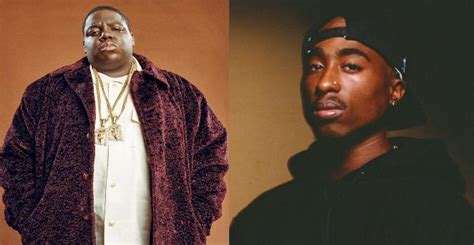
Tupac Shakur and Christopher “The Notorious B.I.G.” Wallace were both murdered within six months of each other.
Two young Black men became global icons and never reached 26.
Their deaths became permanent chapters in hip-hop history while the imagery and mythology surrounding their conflicts continued generating money for decades afterward.
That deserves examination.
There is a difference between documenting the culture and glorifying the circumstances that destroyed some of its brightest talents.
What Did Hip-Hop Lose?
Perhaps the most painful part of revisiting Tupac’s murder isn’t what happened in 1996.
It’s everything that didn’t happen afterward.
Tupac never turned 30.
He never experienced hip-hop becoming the dominant global cultural force it is today.
He never saw social media, streaming or the transformation of rappers into billion-dollar business brands.
We never got to discover what middle-aged Tupac would have believed.
Would he have concentrated on acting? Directed films? Built a record label? Become an activist? Changed politically? Mentored younger artists?
No jury can answer those questions.
A conviction can establish criminal responsibility.
It cannot restore possibility.
Justice Arrived. Closure Is More Complicated.
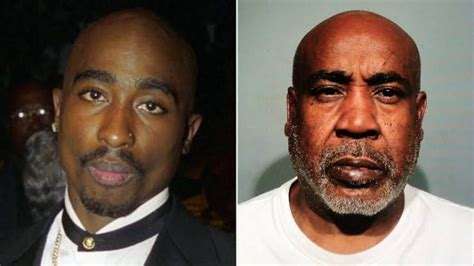
After nearly three decades, the criminal justice system has delivered a verdict in one of hip-hop’s most infamous killings.
That matters.
But perhaps this moment should also mark a change in how Tupac’s story is told.
For years, people have searched for every possible detail about his final night.
Maybe we have spent enough time asking:
Who killed Tupac?
The more important question for the next generation might be:
Who was Tupac — and what did he leave behind?
Because Keefe D’s conviction belongs to the history of Tupac Shakur’s death.
Me Against the World, All Eyez on Me, “Dear Mama,” his films, his poetry, his political observations, his contradictions and the generations of artists he influenced belong to the history of his life.
Thirty years later, justice may finally have a verdict.
But Tupac’s greatest legacy was never the mystery surrounding how he died.
It was the impact he made while he was here.

- Jada Vaughan on Dance, Representation and Finding Her Voice at Saint Louis Dance Theatre - Thursday, October 15, 2026
- Saint Louis Dance Theatre’s Movers and Shakers Ball Brings Art, Music and Movement to the Touhill - Thursday, October 15, 2026
- A Toast to St. Louis: Wine & Food Festival Celebrates Flavor and Community - Tuesday, October 13, 2026