
Director Cami Cruz Thomas reflects on storytelling, resilience, and why North City remains at the heart of St. Louis’ recovery journey.
When a tornado tore through North St. Louis on May 16, it left behind more than damaged buildings and debris. It disrupted lives, altered neighborhoods, and exposed the long road toward recovery that many residents continue to walk today.
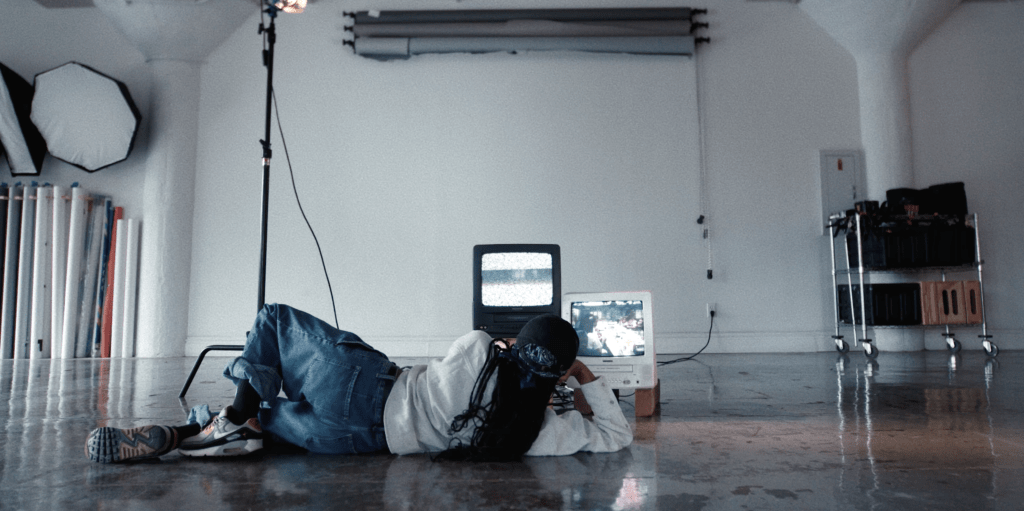
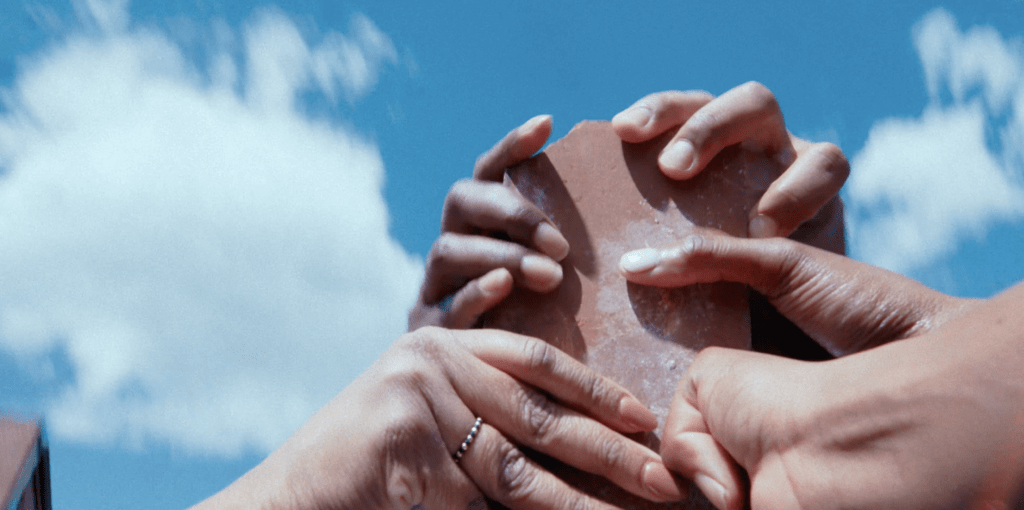
Filmmaker Cami Cruz Thomas captures that journey in Red Brick Blue Tarp, a mini-documentary and visual poetry piece that explores both the physical and emotional aftermath of the storm. More than a recap of events, the film serves as a reflection on grief, resilience, healing, and the collective responsibility of rebuilding community.
Thomas describes the project as a deeply personal endeavor.
“Red Brick Blue Tarp is a mini-documentary and visual poetry piece that both recaps the events of the May 16 tornado while laying a foundation for what’s next,” she explained. “I intentionally sought to create something that would be healing for those who watch it, as well as healing for me to create it.”
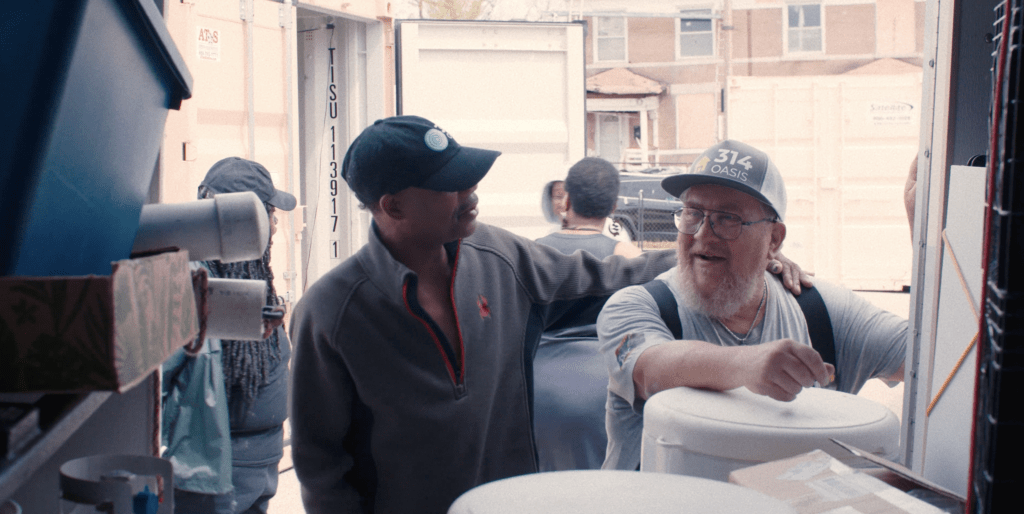
Though filmmaking is her profession, Thomas initially focused exclusively on direct aid efforts following the storm. Working alongside organizations such as 314 Oasis, My Friends and I, and producer Jessica Wernli ultimately helped her recognize the value storytelling could play in the healing process.
Capturing the Human Experience
One of the biggest challenges in documenting the recovery effort was finding a way to honor thousands of individual experiences while telling a cohesive story.
“There are so many stories to tell,” Thomas said. “Thousands upon thousands of people were impacted, all with unique experiences and perspectives.”
Rather than attempting to chronicle every detail, the film blends interviews with artistic visual poetry to connect audiences with the collective emotional experience of the disaster.
Several moments left a lasting impression on Thomas during production, including conversations with community members Melanie Marie and Harry Penelton III, who shared the heartbreaking story of his wife, Mrs. Pat, who lost her life when Centennial Church was struck by the tornado.
“What impacted me most was reliving the day over and over again while working through production,” Thomas reflected. “That was tough for me, but a necessary step in opening up my own heart to healing.”
Storytelling With Care
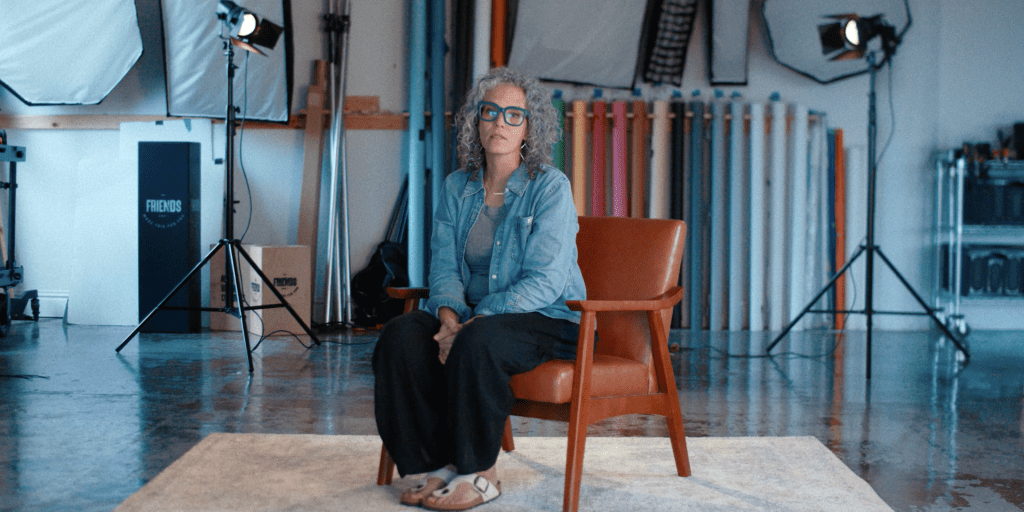
Throughout the filmmaking process, Thomas prioritized the emotional well-being of both participants and viewers.
“My community and the emotional and spiritual wellbeing of those around me takes priority above everything,” she said.
Interviewees were encouraged to share only what felt comfortable, and the film’s visual poetry elements were intentionally designed to create moments of pause and reflection.
“The visual poetry elements allow for space to breathe and exhale throughout the film,” Thomas explained. “We wanted to safely guide viewers through the story with their hearts in mind.”
A Message for St. Louis
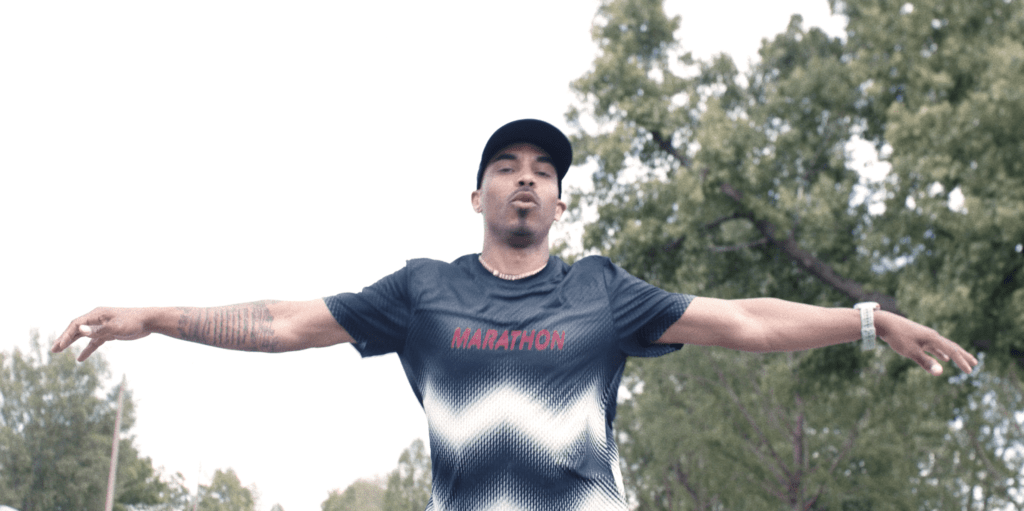
The documentary carries different messages depending on who is watching.
For residents directly impacted by the tornado, Thomas hopes the film serves as validation.
“I hope this film affirms what you already know — that you did and do deserve so much better than what this city has offered you,” she said. “That you’re worthy of immediate action, intention, and proactive care.”
For those who were not directly affected, she hopes the film inspires engagement and accountability.
“We need long-term care and commitment from every single corner of this city if we’re ever going to thrive,” Thomas said. “We need you.”
Why 314 Oasis Matters
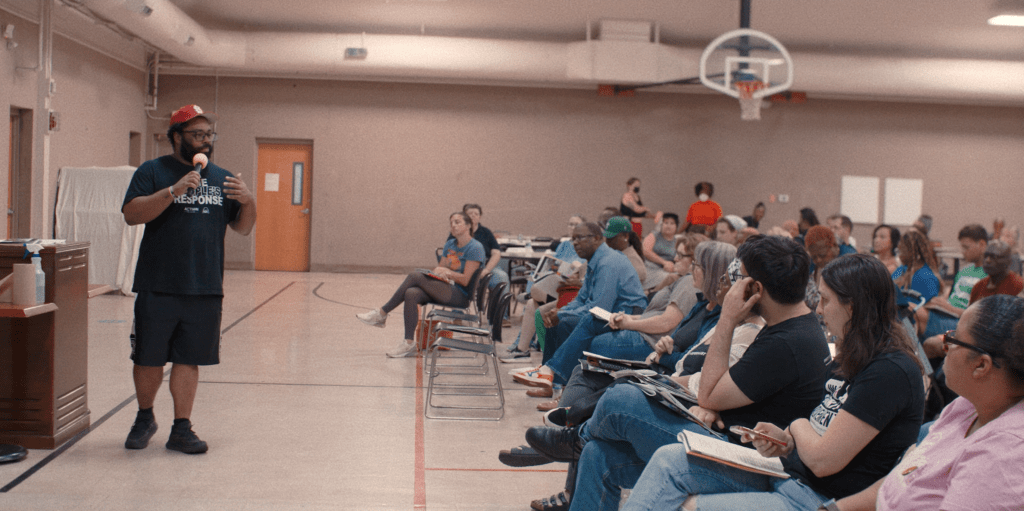
The documentary’s partnership with 314 Oasis was a natural fit.
According to Thomas, the organization has remained committed to recovery efforts long after many others moved on.
“314 Oasis was at ground zero of recovery and also ground zero of the creation of this documentary,” she said.
The organization’s leaders, Dr. Punch and Stephanie Reynolds, serve as executive producers on the film, while Reynolds also collaborated with composer Owen Ragland on the documentary’s original score.
“They continue to charge forward,” Thomas said. “I couldn’t have asked for better partners.”
Recovery Is Far From Over
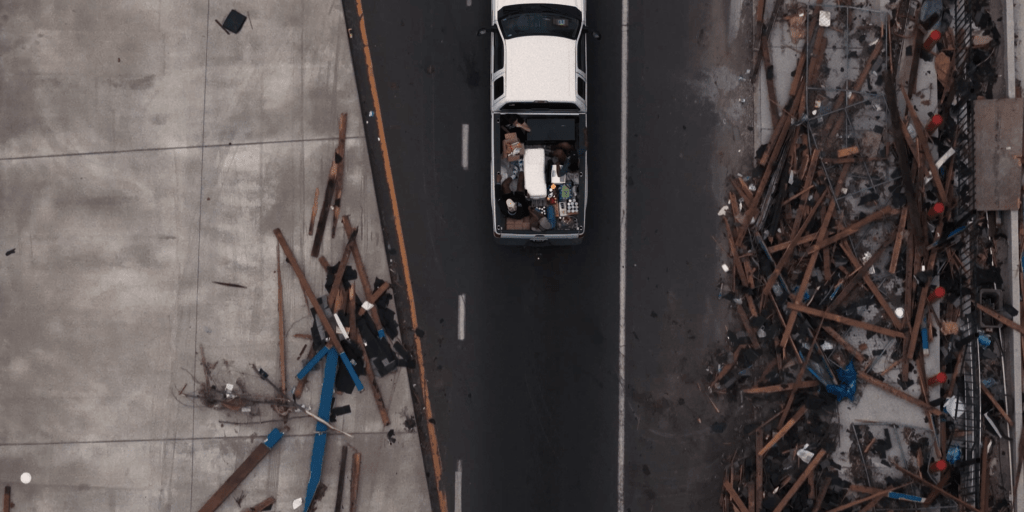
While the immediate disaster may have faded from headlines, Thomas believes North St. Louis remains in the midst of a prolonged crisis.
“Housing, debris cleanup, city-owned properties that need to be demolished, lack of access to basic needs—you name it,” she said.
She points to what she describes as a slow and inadequate formal recovery process, emphasizing that many residents are still struggling to rebuild their lives.
At the same time, she remains inspired by the community’s response.
“I will be forever impressed by the way the community stepped up to keep people safe in the aftermath of the storm,” Thomas said. “I saw, and continue to see, the very best of us in those moments.”
How Residents Can Help
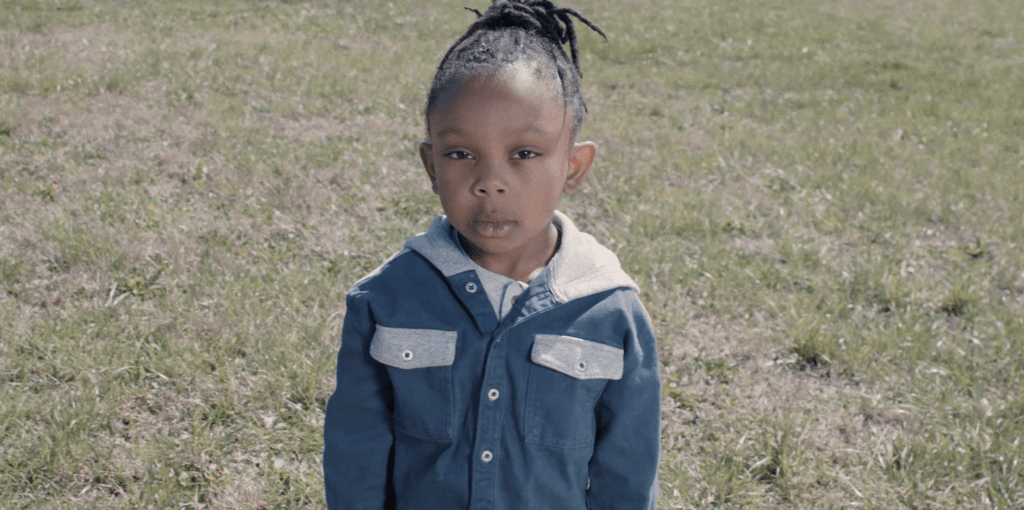
For those looking to support ongoing recovery efforts, Thomas encourages connecting with organizations like 314 Oasis and Action St. Louis.
She also believes meaningful change begins with everyday actions.
“Take a different route home. Check on your neighbors. Ask if the family down the street needs anything while you’re at the store,” she said. “Look at people and truly see them.”
Her message is simple but powerful:
“If you love the city and its people, do something. If you want to see the Show Me State thrive, then show me.”
Bringing the Film Home
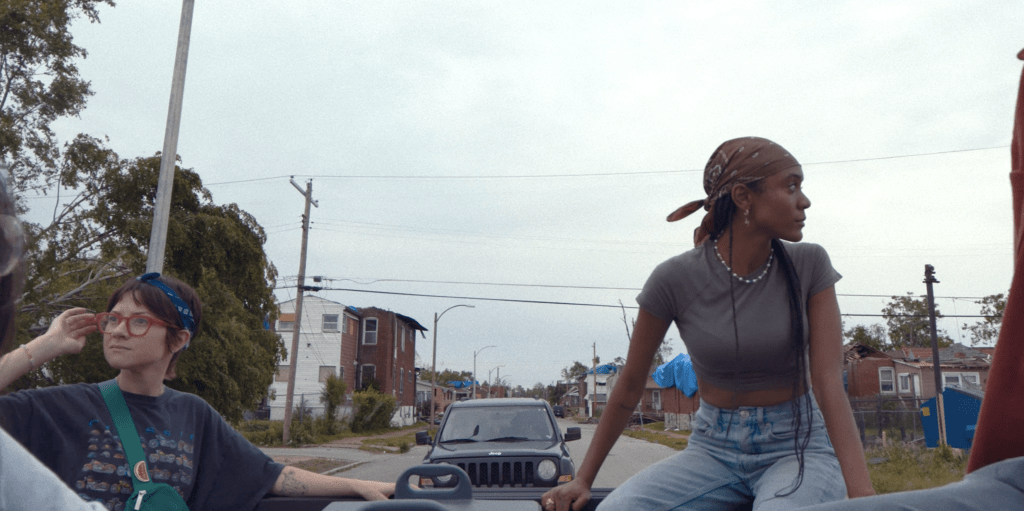
The documentary’s fourth screening will take place in North St. Louis at the Northside Movement Center, home to Action St. Louis and ArchCity Defenders.
For Thomas, there was never another option.
“North City is the right place for everything,” she said.
She hopes the event provides residents with a safe place to gather, reflect, and heal together.
“The Northside Movement Center represents movement, commitment to our people, and what it means to share in community,” she said.
Looking Ahead
While community screenings remain the current focus, Thomas confirmed that Red Brick Blue Tarp will become more widely available later this year.
Until then, she remains focused on recovery efforts in her own neighborhood and ensuring North St. Louis remains a priority.
“All eyes on North City until North City is whole,” she said.
Reflecting on the project, Thomas says one lesson stands above all others.
“This year has taught me that St. Louis is exactly who we think we are.”
And if Red Brick Blue Tarp proves anything, it’s that the story of North St. Louis is still being written—not only through recovery, but through the people who continue showing up for one another every day.
Red Brick Blue Tape FREE screening: Saturday, June 6, 2026 at 5:00pm Northside Movement Center 5939 Goodfellow Blvd. St. Louis MO 63147 RSVP: https://posh.vip/e/red-brick-blue-tarp-screening-4
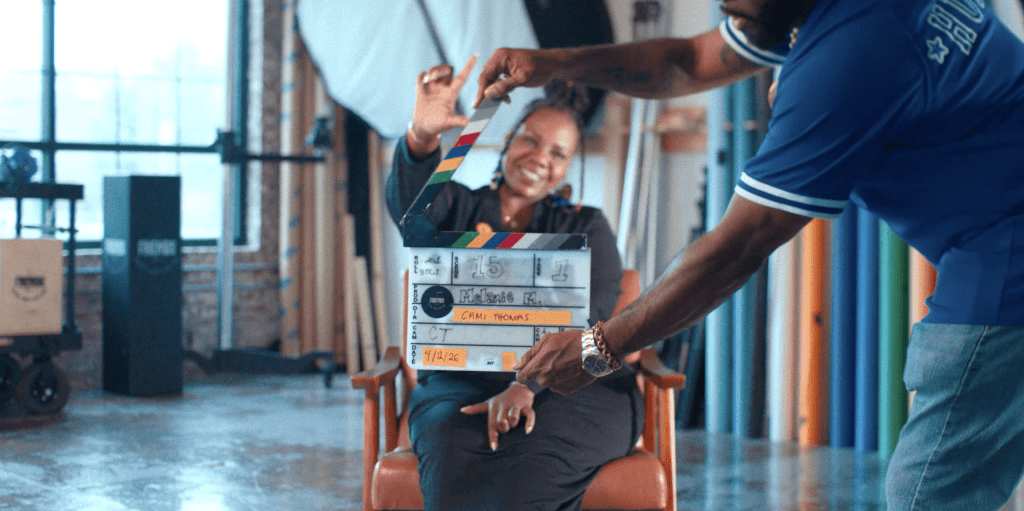
Photo Credit: My Friends and I

- Zack Fox at The Pageant: A St. Louis Stop Rooted in Black Dance Music - Sunday, October 18, 2026
- D.L. Hughley Brings “Charlie’s Boy” to St. Louis: Family, Fatherhood and Finding His Voice at The Pageant - Sunday, October 18, 2026
- Jada Vaughan on Dance, Representation and Finding Her Voice at Saint Louis Dance Theatre - Thursday, October 15, 2026