

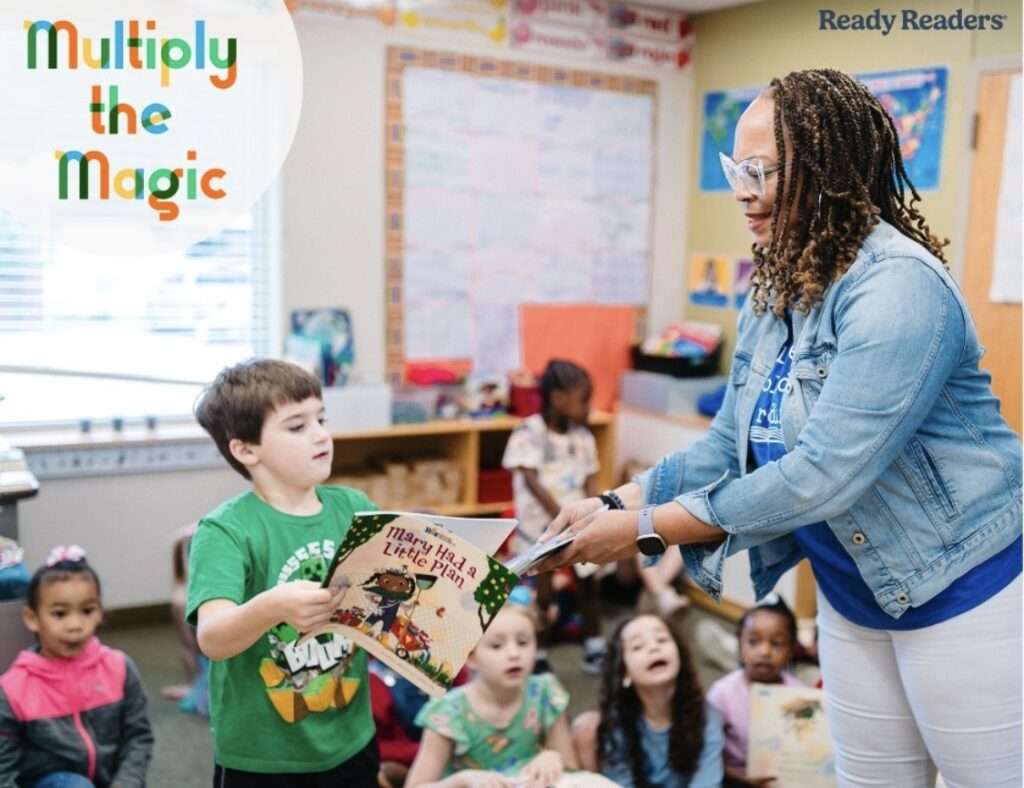
Reading to young children—beginning at birth—is one of the most accessible and impactful ways to support lifelong health and well-being. During Children’s Mental Health Week, that message carries even more weight: early connection is foundational to a child’s emotional and mental development.
At its core, reading is not just about literacy. It is about presence. It is about bonding. It is about creating consistent, nurturing moments that help children feel safe, supported, and seen.
Research from the American Academy of Pediatrics shows that shared reading in early childhood strengthens brain development, builds language skills, and reinforces secure caregiver-child relationships. These interactions are directly tied to emotional regulation, resilience, and long-term mental health outcomes.
But one of the most important truths—often overlooked—is this: There is no “right” way to read with a young child.
For many families, the idea of reading can feel structured or even intimidating. Sitting still. Finishing every page. Following every word. In reality, reading can—and should—be flexible, intuitive, and responsive to the child.
Reading might look like pointing to pictures and naming what you see.
It might sound like laughter, storytelling, or making animal noises.
It might be asking questions, even if your child cannot yet answer them.
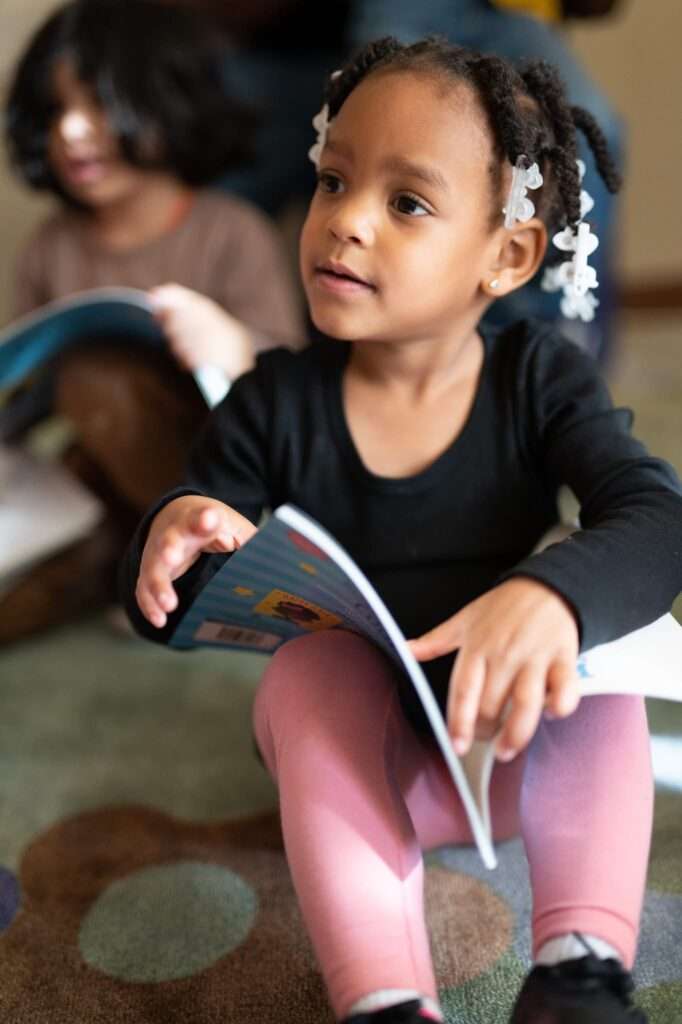
It might mean letting a toddler flip pages back and forth, exploring at their own pace.
For infants, reading can be even simpler. It can be the sound of a caregiver’s voice, the rhythm of language, and the comfort of eye contact. These early sensory experiences are critical. Even without understanding words, babies are building neural connections that shape how they process emotion, language, and relationships.
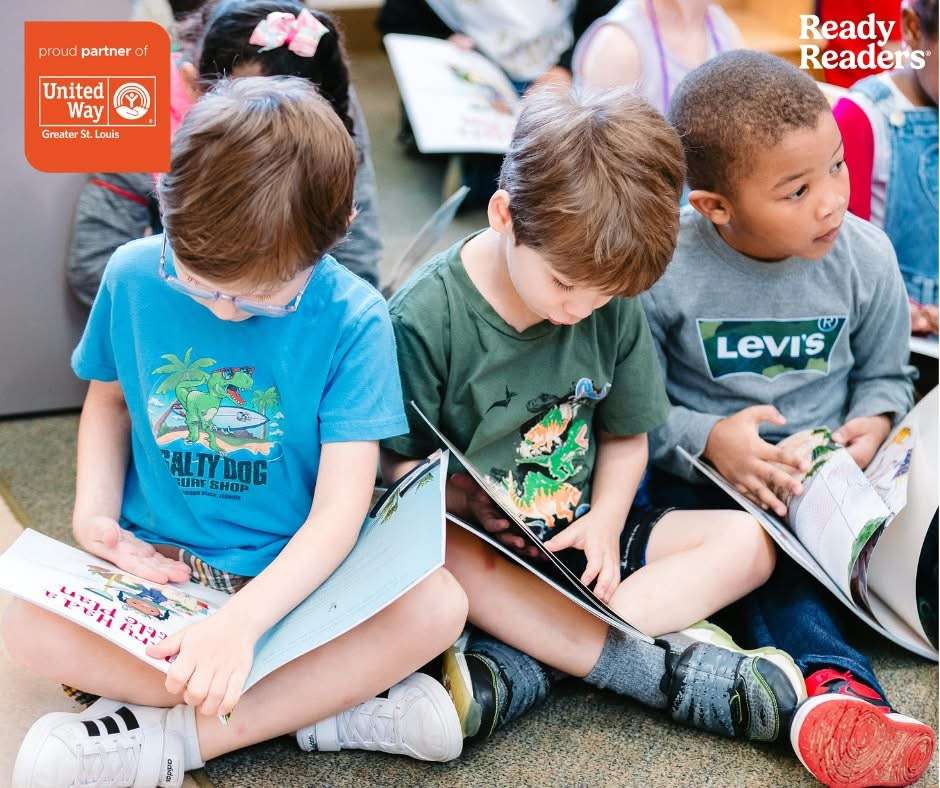
Every interaction matters.
Organizations like Ready Readers are helping to ensure that families have access to the tools, books, and support needed to make early literacy a consistent part of daily life. Their work centers not only on reading proficiency, but on equity—meeting families where they are and reinforcing that connection, not perfection, is what makes the difference.
During Children’s Mental Health Week, this perspective is especially important. Mental health support does not always begin with formal interventions. Often, it begins in the quiet, everyday moments—a caregiver holding a child, turning a page, sharing a voice.
These moments build trust.
They build confidence.
They build emotional security.
And over time, they build the foundation for a healthier future.
The takeaway is simple, but powerful: You do not need a perfect routine or a perfectly read story. You just need to show up.
Because when it comes to supporting a child’s mental health, something as small as reading together can have a lasting impact.
Learn more at https://readyreaders.org

- Decade of Power: DELUX Unveils the 2026 Power 100 Class at Angad Arts Hotel - Saturday, September 26, 2026
- Zack Fox Brings a Genre-Spanning DJ Set to The Pageant in St. Louis on October 16 - Wednesday, September 23, 2026
- Comedy Legend D.L. Hughley Comes to St. Louis for an Intimate Discussion of New Memoir “Charlie’s Boy” - Tuesday, September 15, 2026